Why Relaxed Travel Portraits Start Before the Camera Comes Out
Some people seem like they’ve been made for the camera: they seem to naturally find their best angle and position, and the camera also seems to love them. However, others experience something called “camera shyness”, which is a common and totally normal reaction to an objective being directed at them.
Unfortunately, they believe there’s no way to change and actually get a good photo of themselves, which is not true. The process of getting your photos taken starts long before the actual shoot, and a professional photographer will take their time to ensure you’re feeling comfortable.
You can look good in photos and create great memories, so if you’re going on vacation and are booking a photo shoot session, here’s how the process goes and how to prepare for it.
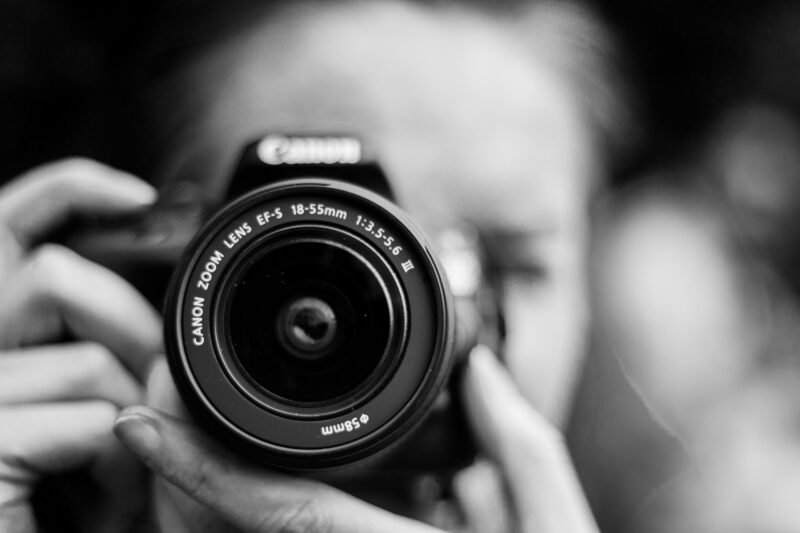
Why does the camera have such an effect on you?
Camera shyness happens for many reasons, but one of the most prominent causes is how we perceive ourselves. That’s because what we see in the mirror, for example, is a reversed image of ourselves, while the camera captures what we truly look like, so you may feel like you are looking at another person rather than yourself when looking at a picture. If you have a perfectionist perception, the “new” you in the camera may seem like a less attractive version of the person you see in the mirror.
On the other hand, camera shyness comes from working with a photographer who sees you better than you do at that moment, so you might fear they’re judging you while you don’t seem to be able to pose. Self-consciousness intensifies when you don’t know how to sit or what face to make in order to look good, and this leaves the photographer in control.
So, how can you solve this problem?
Both you and the photographer can contribute to a more relaxed photoshoot, and you can start by preparing yourself in advance. You can choose the clothes that suit you best (and maybe bring an additional outfit) and groom yourself as you would on any other day.
You may also look for inspiration online and practice poses in the mirror, but it’s ideal to collaborate with your photographer. It helps to work with a photographer who knows the city well. Local photographers like Smiler’s Rodrigo Sylwan in Barcelona can suggest quieter spots away from the tourist crowds and guide you with simple movement prompts, like walking toward the camera or looking at something off to the side, so you never have to stand stiffly. You can also come up with requests regarding the surroundings, like doing the photographs in a place with no tourists if this is how you’re feeling more at ease in front of the camera.
But if you’re still uncertain about the session, Irina Taranova, Engagement and Retention Manager at Smiler.co, has given some insight into this process. “In my experience, the best way to help camera-shy travellers relax is to avoid making the photoshoot feel like a traditional, posed session. I usually start by getting to know them and suggesting that we treat the photoshoot more like a relaxed walk together.”
Therefore, the photographer is more than a person who will take your pictures. “I explain that I’ll stand at a certain spot while they walk towards me, look at each other, smile, and chat as if I’m not even there. At first, they might feel a little shy, but within just a couple of minutes, they usually forget about the camera and start laughing, talking, and enjoying the moment. My role is simply to guide them on where to walk and what to do.”
But what does a natural pose look like?
You don’t have to make a huge effort in order for the travel pictures to turn out as you wish. You only need a bit of inspiration to see what unstaged pictures look like. This means blending in with the environment, and this is the photographer’s job after all: to minimise the “camera effect” that is obvious in shy people.
Therefore, instead of poses, you might receive as guidelines a set of actions. These include walking around, so the expert can take a shot of you when you’re not paying attention, or looking away from the camera and fixing your gaze on something around you. Here, Irina Taranova, who is also a Professional travel & portrait photographer, mentions, “Once we’ve captured a few natural walking shots, I gradually introduce more playful movements: spinning around, lifting a partner or children into the air, jumping or turning towards each other. Only after that do we move on to more static poses.”
Some of the best pictures might be the ones where you’re not trying to pose. If you are posing with your spouse, these pictures can be made while you’re talking to each other, which is a raw yet perfect version of a travel portrait. And, according to Irina, “One of my favourite suggestions for couples is not necessarily to kiss, but simply to smile and gently touch the tips of their noses together. These little interactions often create the most genuine and intimate photos.”
Doing something with your hands might help
In many cases, camera-shy people look like they’re frozen because their hands are awkwardly placed. Luckily, this is one of the easiest fixes: doing something with your hands so your body can take a more relaxed position. This helps shift your attention from your body to your task. You can hold a bouquet of flowers, a cup of coffee, or even simply the hands of your partner, and your body will adjust.
Other tips include holding onto something while slipping one hand into a pocket for a cool and casual look. Talk with the photographer during the session and express your concerns, so they’re aware of what surroundings might help you gain a more relaxed pose. Don’t worry about them judging you, because their job is to create the pictures you want hanging from this trip.
Conclusion
Getting travel portraits seems like a dream until you actually have to pose, right? Well, don’t worry, many people are camera-shy, but that doesn’t automatically make them unphotogenic. In a professional photo shoot session, the experience starts when you meet the photographer and get to know them to calm your nerves. The rest is in their hands, as they can give you guidelines on what to do with your hands and how to avoid looking stiff, which is simpler than you’d think.
