Renting a Car in Croatia – 10 Essential Things Nobody Tells You
Croatia’s coastline is arguably one of the most spectacular road-trip destinations in Europe. From the ancient walls of Dubrovnik to the waterfalls of Plitvice and the lavender fields of Hvar, having your own wheels unlocks parts of the country that buses and ferries simply cannot reach.
But the Croatian car rental market has its own quirks, seasonal shocks, and fine-print traps that catch even experienced travellers off guard. Before you sign a contract or hand over a credit card, here are ten practical realities you need to know.
The cheapest Pick-Up Airport
Croatia has eight international airports, yet the three that matter for most visitors are Zagreb, Split, and Dubrovnik, which is consistently one of the most expensive rental markets in Europe during peak season. It is not unusual for the same vehicle class to cost twice as much when you rent a car in Dubrovnik as it does in Split or Zagreb.
If your itinerary is flexible, consider flying into Split and renting a car there, then driving south. The coastal road (the D8) is an experience in itself, and the savings can easily cover several nights of accommodation.
There is a second layer to this: one-way drop-off fees. If you plan to drive the full length of the country and leave the car in a different city—say, picking up in Zagreb and dropping off in Dubrovnik—expect a surcharge in the range of €300-€400 or even more. This surcharge could be a one-off fee or a higher daily rental cost.
Always factor this into your total budget before you commit to a route.
Summer Demand Is Brutal
Croatia’s popularity in July and August is not a secret, but the rental price spikes still surprise people.
A compact car that costs €25 per day in May or September can jump to €60, €80, or even €100 per day in peak summer, depending on the supplier and location. Worse, walking up to a rental desk without a reservation in August is a genuine gamble; fleets sell out.
Personally, for the last 7 years, I have been booking my cars through DiscoverCars, a comparison platform that uses real customer ratings (5 to 10 stars) from renters who actually completed their trip, unlike on Google Maps, where anyone can add a review.
I filter for suppliers above 8 or even 9 stars to shortlist the most trusted operators, and book from there. They have free cancellation up to 48 hours before pickup, so there is little downside to securing a rate early.
Manual Is Standard; Automatic Is a Luxury Tax
Croatia is a compact-car country, both culturally and physically.
The Dalmatian coastal roads are narrow, winding, and in places genuinely tight—especially when you factor in tour buses and oncoming traffic on blind corners. Island roads are narrower still. For the vast majority of itineraries – coastal towns, national parks, city centres – a compact or economy vehicle is the smartest choice. It is easier to park, cheaper to fuel, and far less stressful on tight island lanes.
The only exception is if you are heading deep into the Dinaric Alps or planning to drive unpaved mountain tracks, where a vehicle with higher clearance becomes useful.
One more thing: automatic transmissions are available but scarce. Because the default fleet is manual, automatics command a premium of roughly €15–€20 per day. If you can drive a stick shift, you will save money and have a far wider selection of vehicles.
Can I take a rented car on a ferry
With over a thousand islands, ferries are part of the Croatian experience. But taking a rental car onto a ferry involves layers of bureaucracy that are not obvious at first glance.
Declaration is mandatory. Most rental companies allow their vehicles on local ferries (mainland to islands like Hvar, Brač, Korčula, or Krk), but you must declare this intent when you book. Some firms charge an additional island/ferry fee—typically €15–€50—at the counter. Check the rental conditions before you pay.
Standard rental insurance usually covers you while driving on the island itself, but the policy is often void during the actual ferry crossing. Some companies sell specific ferry-crossing insurance for around €15–€20.
Personally, I purchase a full-coverage policy through DiscoverCars for a bargain price of €8–€10 per day. It covers everything, even roadside assistance, provided you declared to the car agency which island you will be visiting and they do agree with that.
International ferries are a separate deal. You cannot take a Croatian rental car on a ferry to Italy or another country unless your contract explicitly includes cross-border permission. If it is allowed, expect another fee, usually €50 or more.
The practical workaround: If you are island-hopping extensively, it is often simpler to stay on the mainland, travel as a foot passenger on ferries, and rent a small scooter or car locally on each island for a day or two. It saves money, hassle, and the risk of insurance disputes.
Car Ferry Slots Sell Out—Book Them Like Accommodation
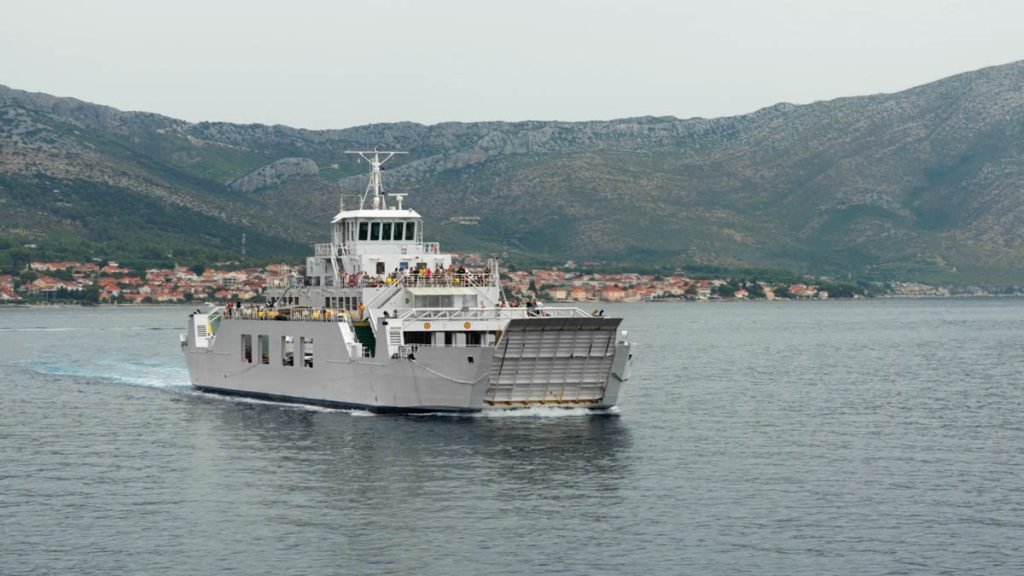
This is not strictly a rental issue, but it will ruin your road trip in Croatia if ignored. In July and August, car spaces on Jadrolinija ferries (the main operator) fill up weeks in advance. Turning up at the Split or Drvenik terminal in peak season expecting to drive onto the next sailing to Hvar or Brač is optimistic at best.
Book your ferry tickets online well before you travel. Know your sailing time, arrive at the terminal early, and treat that reservation with the same seriousness as your hotel booking.
Licence Rules to drive in Croatia
For EU and UK licence holders, Croatia is simple: your national licence is all you need. No extra paperwork, no translations.
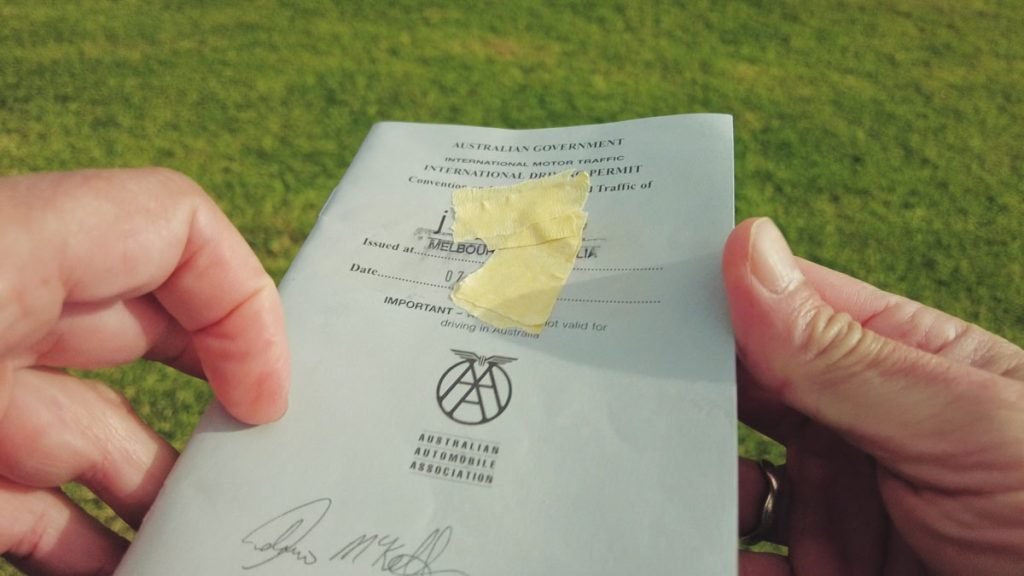
If your licence was issued outside the EU or UK, you need an International Driving Permit (IDP) alongside your original licence—not instead of it. Both documents must be carried together. Some rental desks may hand over the keys without checking for an IDP, but if you are stopped by police or need to make an insurance claim, the absence of an IDP can invalidate everything.
You can organise your IDP at your closest car association office or, much easier, you can apply on the IDP website.
Age requirements are also firm: most companies require drivers to be at least 21 years old and to have held a licence for a minimum of two years. Drivers under 25 often face a young-driver surcharge of €7–€10 per day, so check the rental conditions carefully during booking.
The Road Rules That Actually Matter
Croatia drives on the right. Seatbelts are compulsory for every passenger, front and rear. The blood-alcohol limit is 0.05%—lower than the UK threshold—and zero for new drivers. Random breath tests are common, especially on summer weekends, and the penalties are severe.
Speed limits are clearly signposted but worth memorising: 50 km/h in built-up areas, 90 km/h on secondary roads, 110 km/h on expressways, and 130 km/h on motorways. Speed cameras are active, particularly on the A1 motorway connecting Zagreb and Split.
One rule that consistently catches foreign drivers: on smaller roads without signage, the vehicle approaching from the right has priority. Do not assume you have right of way just because you are on a slightly wider road. This applies frequently in rural villages and on island roads.
By law, every car must carry a reflective vest, warning triangle, and first aid kit. Reputable rental companies include these, but check the boot before you leave the lot.
Tolls, Motorways, and the Bosnia Surprise
Croatia’s motorway network is excellent. The A1 from Zagreb to Split is fast, modern, and in places genuinely beautiful as it cuts through mountain passes. Tolls are collected at booths and can be paid by cash or card—keep both handy.
Here is the curveball: the coastal drive between Split and Dubrovnik passes through a narrow corridor of Bosnia and Herzegovina around the town of Neum. For decades, this meant a brief border crossing mid-journey. Most rental agreements allow this transit as part of a standard Croatian rental, but you should confirm it at booking. Your Green Card insurance document (which the rental company should provide) extends to Bosnia, but keep it accessible.
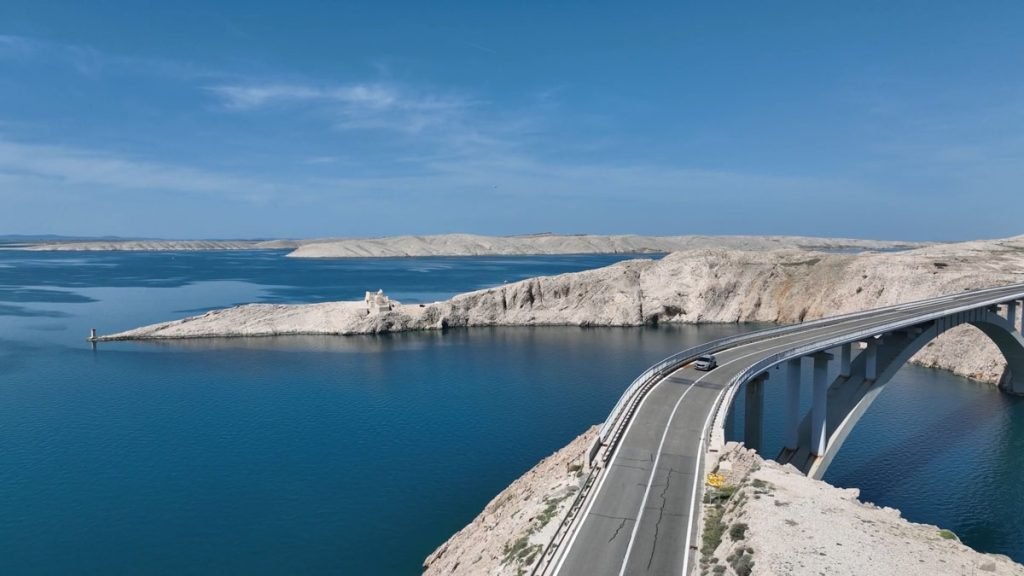
Since 2022, the Pelješac Bridge offers an alternative. This impressive span now lets you bypass the Neum corridor entirely, keeping you in Croatian territory for the entire drive. If you want to avoid any border paperwork or potential fees, plot your route over the bridge.
Parking in Croatia
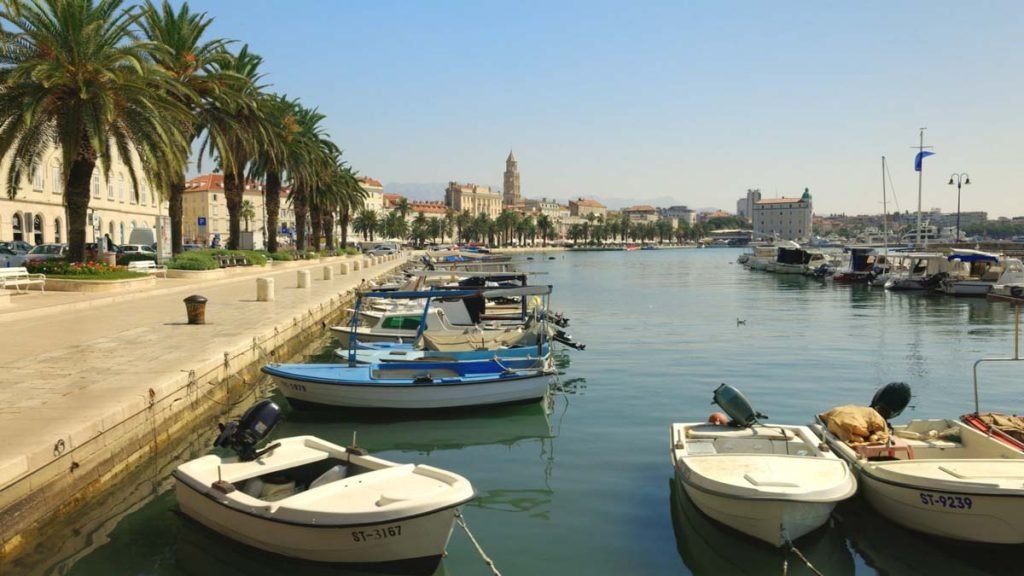
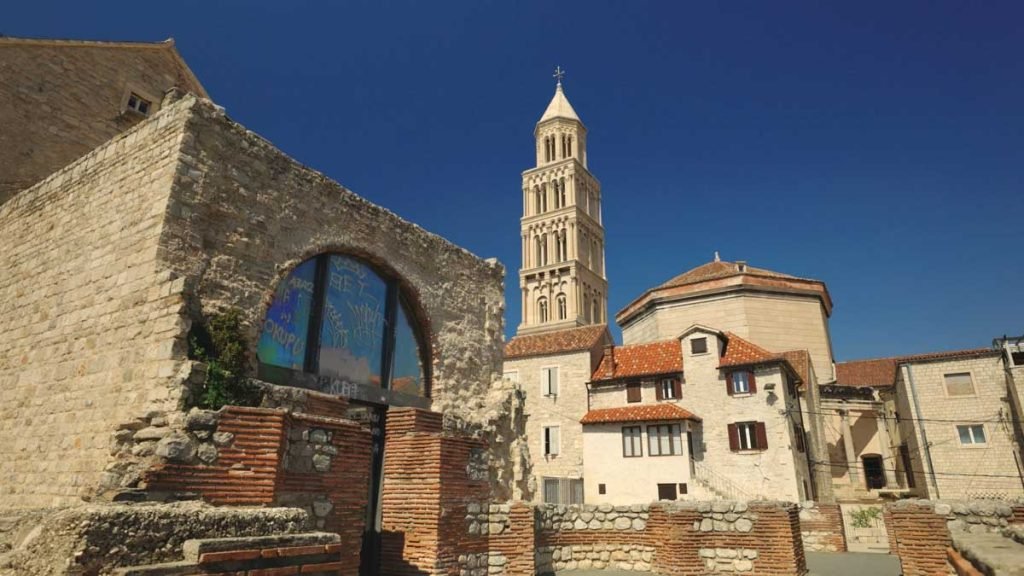
In Dubrovnik, Split, Hvar Town, and Zagreb, parking ranges from challenging to genuinely difficult in summer. Dubrovnik’s Old Town is entirely pedestrianised; you will need to use one of the designated lots outside the walls. The cable car parking area is a solid choice—it offers a panoramic view of the city as a bonus. In Split, the historic centre is similarly best approached on foot; park near the harbour fringe and walk in.
Croatian cities use a colour-coded zone system:
- Blue zones = paid parking
- White zones = generally free, sometimes time-limited
- Yellow zones = no parking
Fines for violations typically run €30–€100, and some rental companies layer an additional administrative fee on top when they process the penalty. If you get a fine, I highly suggest paying straight away; otherwise, the admin fee may actually be higher than the fine itself.
By contrast, parking on the islands and in smaller coastal towns is refreshingly relaxed. Free or very cheap parking is usually available within a short walk of beaches and attractions.

Scams to avoid
Croatia is broadly safe and honest, but three tactics appear with enough frequency to be worth preparing for.
The pre-existing damage scam. Lower-rated local operators sometimes hand over a car with dents, scratches, or interior marks that are not properly documented on the checkout sheet. At return, those same marks become your financial responsibility. The defence is simple and non-negotiable: photograph everything at pickup. All four sides, the roof, the undercarriage, the wheels, the interior, the windscreen. Do the same at drop-off. Five minutes of diligence eliminates any dispute with this before-after documentation.
The insurance invalidation tactic. You arrive with full coverage already purchased through a third-party website like DiscoverCars, and the desk agent insists it is not valid and pressures you into buying their own policy at an inflated price. Let’s be clear here: your coverage is valid. Stay calm, present your booking confirmation, and if the agent refuses to budge, contact the platform’s customer service line while standing at the desk. They usually give up as you call.
The fuel policy trap. Full-to-full is the standard and fairest model in Croatia: you receive the car with a full tank and return it full. Some operators push a full-to-empty policy, where you prepay for a full tank at an inflated per-litre rate and are expected to return the car empty. You will not empty the tank precisely, which means you effectively donate fuel back to the company, besides paying for it at an inflated price. Always choose full-to-full.

Final Word
Renting a car in Croatia is one of the best decisions you can make for a coastal or inland adventure – but only if you go in with your eyes open. Book early, pick your airport strategically, size down to a compact, photograph the car meticulously, and sort out your ferry intentions before you land.
Do that, and the road from Split to Dubrovnik, or from Zagreb down to the islands, becomes one of the great European drives and experiences in your life.
