What Experienced Road Trippers Always Plan Ahead
The more I travel, the more I notice that experienced road trippers rarely leave things to chance. I’m not talking about obsessive planning, although having a healthy attention to detail helps.
What I’ve learned from fellow travellers is that a smooth trip usually begins before the engine starts. Experienced road trippers expect changing weather, roadworks, fatigue, and the occasional mechanical issue, and they factor those possibilities into their plans.
What follows is not a giant checklist. These are the habits I see repeatedly among experienced road trippers who prefer more time to enjoy the road rather than surprises that can frustrate the journey.
Insurance and Roadside Coverage Offer a Safety Net
One of the first things experienced road trippers do is confirm their insurance matches the trip they’re about to take.
A weekend drive close to home is very different from a multi-state journey, an outback route, or a tour through mountainous regions. Before leaving, travellers should review their roadside assistance benefits, towing limits, accommodation coverage after a breakdown, and emergency contact details. It’s a good time to get an insurance quote to ensure your coverage fits the vehicle and the type of travel you plan.
I also found it helps to keep digital copies of insurance documents on my phone and paper copies easily accessible. When things don’t go as planned, having these details readily available can save a surprising amount of time and stress.
In addition to insurance documents, keep the following handy:
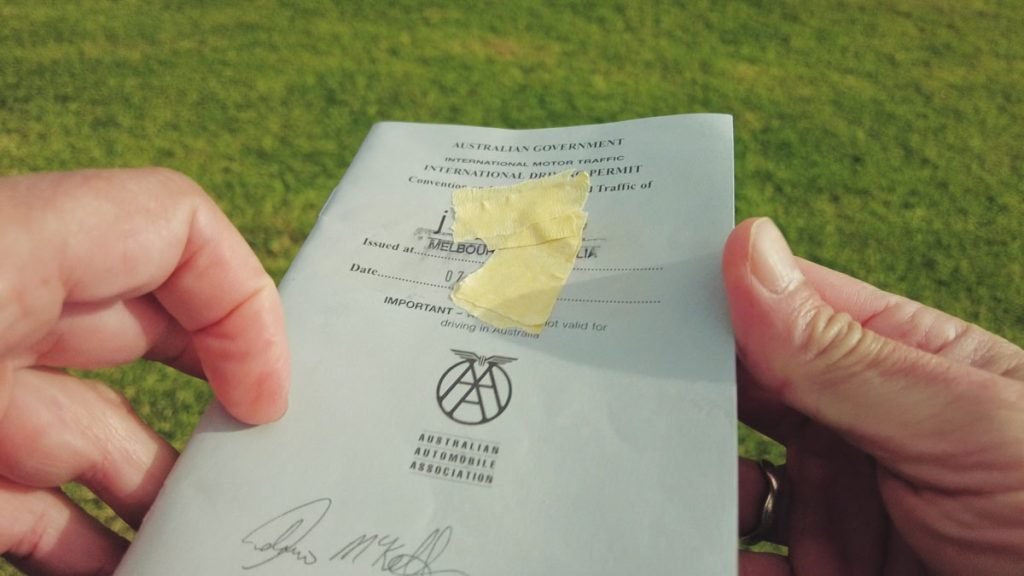
- Driver’s licence and necessary vehicle endorsements
- Vehicle registration documents
- Toll payment methods
- Emergency contacts (on paper as well as on your phone)
A Quick Vehicle Check Saves Hours Later
Experienced road trippers treat vehicle checks as part of trip planning, not an optional chore.
I discovered this the hard way last year when I found myself sitting on the side of a remote stretch of road for two hours waiting for a tow truck because I ignored the little niggle that told me my engine wasn’t running as it should. Since then, I’m more pedantic about doing vehicle checks before every major trip.
Before leaving, check:
- Tyre pressure, including the spare
- Oil and coolant levels
- Windshield washer fluid
- Battery condition
- Brake warning lights
- Wiper blades
Smart Routes Are Planned Around Stops
A common temptation for new road trippers is to focus on where they will sleep; experienced ones focus on where they’ll stop along the way.
A realistic route includes fuel stations, meal breaks, rest areas, and backup towns or accommodation in case traffic or weather slows travel progress. In remote areas, fuel planning becomes critical. Riding into a small outback town on fuel fumes or a low EV battery is more likely to be a mistake than an adventure.
Before a road trip, I usually mark fuel stops based on my vehicle’s driving range, and also to stretch my legs and give my mind a rest.

Offline Navigation Is a Road-Trip Essential
GPS is fantastic until it stops working or loses signal. Mountain passes, national parks, deserts, and rural coastlines can all have poor reception, and phone batteries can get dangerously low at inopportune times.
Most of the experienced road-trippers I’ve met download offline maps and save important addresses before they leave.
I keep a short written list of overnight stops, including contact details and major towns along the way. My mother still swears by her paper maps, though calculating distances manually takes skill.
Weather Changes Faster Than Most Travellers Expect
Experienced road trippers know that the weather forecast for their destination doesn’t necessarily match the forecast for their journey. A single day can include a frosty morning start, strong crosswinds, rain, and extreme heat.
The night before departure, I check the forecast for every major region on my route. In the morning, I check again. If strong weather or storms are expected, I adjust my departure time rather than trying to outrun the weather.
A Small Emergency Kit Goes a Long Way
While emergency kits for road trips aren’t meant for wilderness survival, they should handle common roadside problems safely. My basic kit includes:
- A flashlight or headlamp
- Phone charger and power bank
- First-aid kit
- Bottled water
- Energy bars and snacks
- Jumper cables
- Tyre inflator or sealant
- Multi-tool
- Reflective vest or warning triangle
Comfort Is Part of Road-Trip Safety
Long days on the road become much easier when you consider comfort and self-care in advance.
I keep water within reach, pack snacks that we can eat without stopping, and wear layers that can handle changing temperatures. When travelling by car, sunglasses, sunscreen, and a neck pillow may seem minor, but they make a noticeable difference.
Less Is More When It Comes to Packing
Beginner travellers often pack for every possible scenario. I used to pack a variety of outfits for each planned and potential occasion, only to end up lugging around obsolete items for most of the trip.
Experienced road trippers pack more conscientiously, understanding that unnecessary baggage is more burdensome than convenient. A lighter car is also easier on fuel, brakes, and suspension, while a lighter bike or scooter is easier to handle in traffic, on gravel, and during low-speed manoeuvres.
Planning for the Unplanned
I think the biggest difference between new and experienced road trippers is their attitude.
Seasoned travellers build flexibility into their plans, allowing time for roadworks, traffic, scenic detours, local recommendations, and longer-than-expected lunch stops. Because of this, unexpected delays rarely feel like setbacks.
Instead of racing from one destination to the next, they treat the journey itself as part of the experience, making it easier to enjoy spontaneous stops and memorable discoveries.
