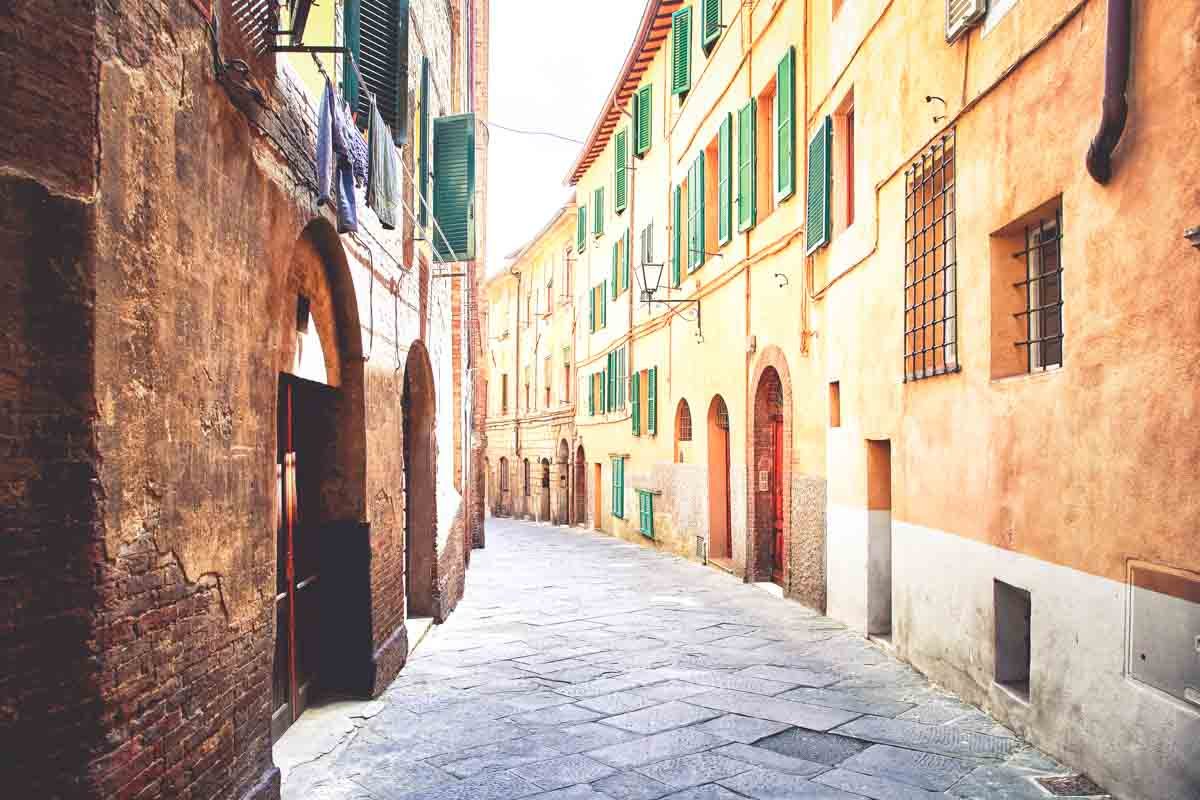
Tuscany for First-Timers – What I Wish I Knew Before Going
Planning your first trip to Tuscany? Before you book your flights or rental car, here are the key things I wish I knew before my first trip. From how to get around, what towns are actually worth visiting, and how to avoid the tourist traps — this is your go-to beginner guide to Tuscany.
The rolling hills, medieval villages, and world-class wines of Tuscany have been drawing travellers for centuries. But behind the picture-perfect Instagram shots lies a region with so many hidden gems.
My first visit to Tuscany years ago was filled with both magical moments and frustrating missteps. Now, after countless trips exploring every corner of this incredible Italian region, I’m sharing what I’ve learned so you can have the perfect first-time experience.
Let’s dive into the essentials every first-timer needs to know before visiting Tuscany.
Renting a Car is Almost Essential
One of the biggest misconceptions about Tuscany is that you can easily explore it using public transportation. While trains connect the major cities like Florence, Pisa, and Siena, the heart and soul of Tuscany lies in its countryside and small hilltop towns — places where buses are infrequent or nonexistent.
Renting a car in Tuscany gives you the freedom to discover hidden gems, stop at panoramic viewpoints whenever you want, and visit wineries that aren’t accessible by public transport. Just remember that many historic town centres are ZTL zones (Limited Traffic Zones) where only authorised vehicles can enter. Park outside these areas to avoid hefty fines.
If you’re nervous about driving in Italy, don’t be. Outside the major cities, Tuscan roads are generally well-maintained and not overly busy. Just be prepared for narrow, winding roads in the hillier areas and remember that many rural roads aren’t lit at night.
I always book my car on DiscoverCars. Besides the great price, they rate every rental agency based on real customer reviews (a sort of AirBnb of cars). This helps a ton to select not only the best price but also a great service, besides avoiding possible scams (more on this later).
Stay in the Countryside, Not Just in Cities
When I first visited Tuscany, I made the mistake of basing myself entirely in Florence and Siena. While both cities are undoubtedly magnificent, spending at least a few nights in the Tuscan countryside provides a completely different experience that shouldn’t be missed.
Consider splitting your stay between a city and a rural location. Agriturismo accommodations (working farms that offer lodging) provide an authentic experience where you can wake up to misty hills, enjoy home-cooked meals made with products from the farm, and truly immerse yourself in the Tuscan lifestyle.
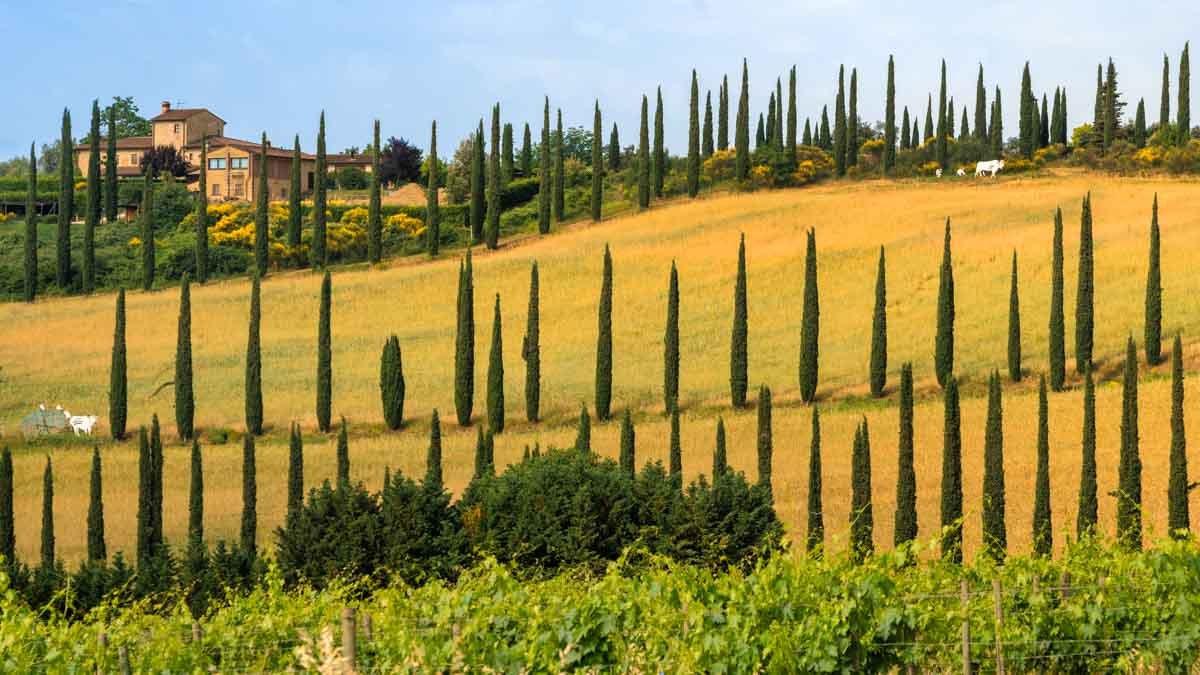
The Chianti region between Florence and Siena offers numerous options, from budget-friendly farmhouses and agriturismo to luxury villas with infinity pools overlooking vineyards. The Val d’Orcia area, further south, is another stunning option, with its iconic cypress-lined roads and picturesque towns like Pienza and Montalcino.

The Best Towns Aren’t Always the Most Famous
Everyone knows Florence, Siena, and Pisa, but some of Tuscany’s most charming towns are the lesser-known ones that don’t make it onto every tourist itinerary.
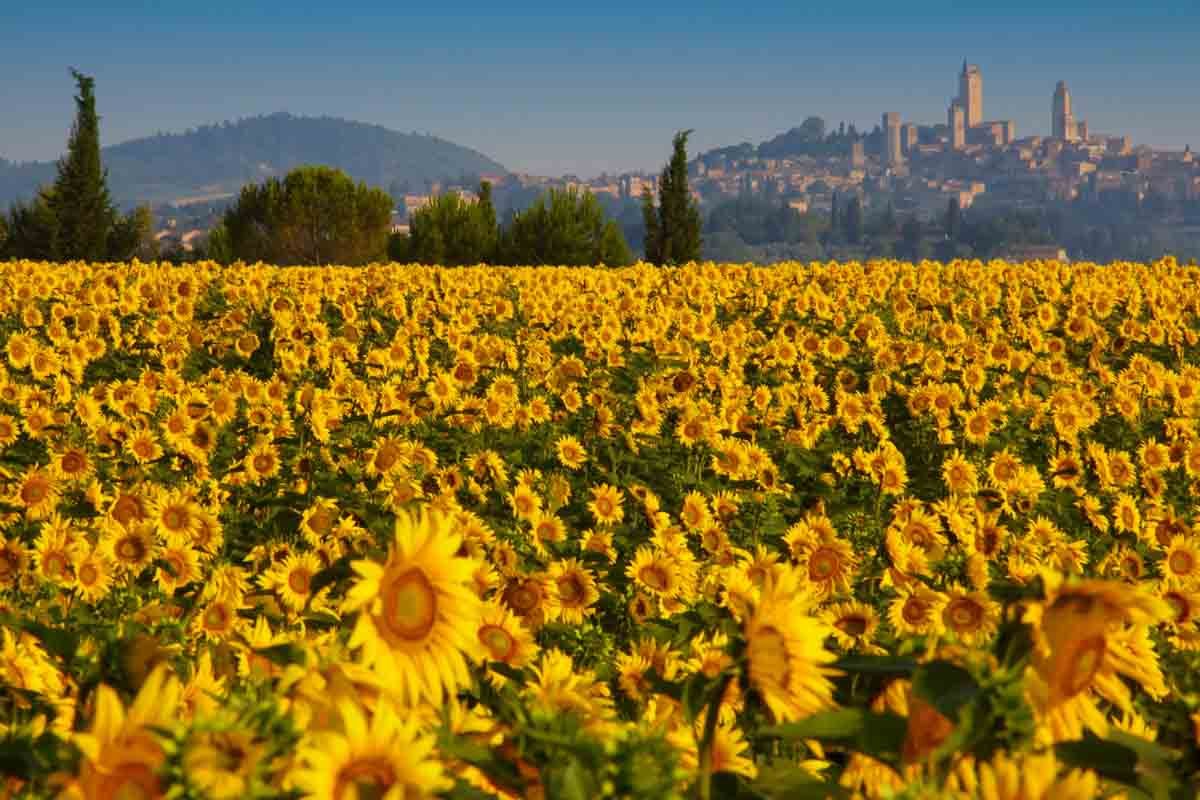
San Gimignano, with its medieval towers, is beautiful but can be overwhelmingly crowded during peak season. Instead, consider visiting a few hidden gems of Tuscany like:
- Volterra: An ancient Etruscan town with fewer tourists and a more authentic atmosphere. The alabaster workshops here have been operating for centuries.
- Monteriggioni: A perfectly preserved walled village that looks like it’s straight out of a fairy tale. You can walk the entire perimeter of its walls for breathtaking views.
- Pitigliano: Known as “Little Jerusalem” for its historic Jewish community, this town is dramatically carved into volcanic tufa rock.
- Cortona: Made famous by the book “Under the Tuscan Sun,” it offers spectacular views and excellent restaurants without the extreme crowds of more popular destinations, but still is not as unknown as the others
These smaller towns often provide a more relaxed experience where you can wander the streets without fighting through crowds and find restaurants where locals outnumber tourists.
Tuscany Has Diverse Landscapes
Many first-time visitors picture Tuscany as an endless sea of rolling hills dotted with cypress trees and vineyards. While this iconic landscape certainly exists (particularly in the Val d’Orcia and Chianti regions), Tuscany is surprisingly diverse.
The Maremma area along the coast offers beautiful beaches, pine forests, and even Etruscan ruins. The Garfagnana region in northern Tuscany features dramatic mountains, dense forests, and charming stone villages clinging to hillsides.
Even the famous Tuscan hills change dramatically with the seasons – vibrant green in spring, golden with sunflowers and wheat in summer, and rich with autumn colours during harvest time.
Plan your itinerary to include this diversity. Don’t just stick to the central wine regions; consider a day trip to the coast or the more rugged northern areas for a complete Tuscan experience.
Wine Tasting Requires Planning
Tuscany produces some of the world’s most celebrated wines, including Chianti Classico, Brunello di Montalcino, and Vino Nobile di Montepulciano. However, wine tasting here isn’t as casual as in some other wine regions around the world.
Most wineries require reservations, sometimes days or even weeks in advance, especially during the busy summer months. Don’t expect to simply drive around and drop into tasting rooms.
The good news is that planning ahead often results in a more personal experience. Many smaller, family-run wineries offer tours conducted by the winemakers themselves, providing insights you wouldn’t get in a more commercial setting.
If you’re serious about wine, consider focusing on one wine region rather than trying to cover too much ground. The Chianti Classico region, the Brunello di Montalcino area, and the Bolgheri coast each deserve at least a full day of exploration.
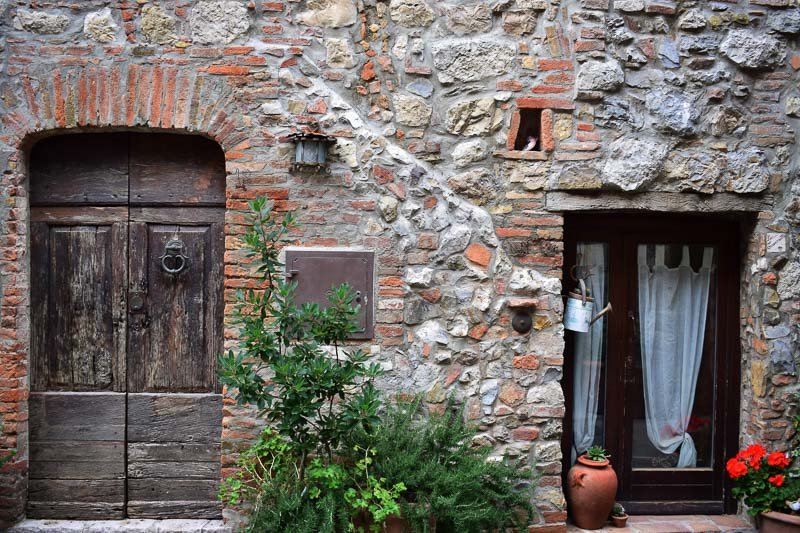
The Food Varies by Area
Tuscan cuisine is famous for its simplicity and focus on high-quality ingredients, but many visitors don’t realise how much it varies across the region.
In Florence, don’t miss the iconic bistecca alla fiorentina (T-bone steak) and ribollita (bread soup). The Chianti area is known for its wild boar dishes and pappardelle pasta. Coastal areas offer excellent seafood that rarely makes it to inland menus.
One mistake many tourists make is eating at restaurants with “tourist menus” or those located directly on main squares. For more authentic and often better-quality meals, walk just a few streets away from the main attractions.
Also, remember that Italians eat late by many standards. Restaurants often don’t open for dinner until 7-7:30 PM, and locals might not arrive until 8:00 or 8:30 PM. Eating earlier often means dining alongside other tourists rather than locals.

The Best Views Require Some Effort
Those postcard-perfect Tuscan vistas often require a bit of effort to reach. Some of the most spectacular viewpoints are accessed via unpaved roads, hiking trails, or by climbing bell towers and fortress walls.
In Siena, climbing the Torre del Mangia rewards you with panoramic views of the city and the surrounding countryside. In San Gimignano, the fortress ruins offer vistas that most day-trippers miss.
For landscape photography, be prepared to wake up early. The morning mist that often settles in the valleys creates a magical atmosphere that disappears once the sun rises higher. Similarly, the golden hour before sunset bathes the hills in warm light that’s perfect for capturing those iconic Tuscan scenes.
Don’t be afraid to venture down unmarked roads (as long as they’re public) – some of my most memorable Tuscan views were discovered by simply exploring side roads that looked promising.
Timing Matters More Than You Think
Tuscany changes dramatically throughout the year, and when you visit can significantly impact your experience.
- Spring (April to June) brings lush green landscapes, comfortable temperatures, and fewer crowds than summer. This is my favourite time to visit, especially May when wildflowers carpet the meadows.
- Summer (July and August) offers sun-drenched landscapes and long days, but also brings heat, higher prices, and the most tourists. If you visit during this time, plan outdoor activities for early morning or late afternoon and take advantage of the Italian riposo (afternoon rest) during the hottest hours.
- Autumn (September and October) is harvest season, with grape and olive picking in full swing. The changing colors of the vineyards create a spectacular backdrop, and the sagre (food festivals) celebrate seasonal products like truffles and mushrooms.
- Winter (November to March) sees fewer tourists and lower prices, but many smaller attractions and restaurants in rural areas close for the season. Florence and other major cities remain lively year-round.
Cultural Etiquette Goes a Long Way
Tuscans are generally warm and welcoming, but they appreciate visitors who make an effort to respect local customs.
Learn a few basic Italian phrases – even simple greetings like “buongiorno” (good day) and “grazie” (thank you) are appreciated. Always greet shopkeepers when entering and leaving stores.
Dress appropriately when visiting churches – shoulders and knees should be covered. Many major churches enforce this rule, but even in smaller ones, respectful attire is appreciated.
Understand that coffee culture has its own rules. Cappuccino is considered a morning drink; ordering it after lunch might earn you some strange looks. At cafes, it’s often cheaper to drink your coffee standing at the bar rather than sitting at a table. Ask if unsure.
Final Thoughts: Slow Down and Savour
Perhaps the most important advice I can offer first-time visitors to Tuscany is to resist the temptation to see everything. Tuscany rewards those who take their time.
Rather than racing from one attraction to the next, allow yourself to wander without a strict agenda. Sit in a piazza and watch local life unfold. Take a cooking class to learn the secrets of Tuscan cuisine. Join a grape harvest if you’re visiting during the right season.
Some of my most cherished memories of Tuscany aren’t of famous sights but of unexpected moments: a conversation with an elderly farmer who invited me to taste his homemade wine, stumbling upon a small village sagra where I was welcomed like family, or watching the sunset from a quiet country road with not another soul in sight.
Tuscany isn’t just a place to see; it’s a place to experience with all your senses. Give yourself the gift of time to do just that.