Renting a Car in Morocco — What You Really Need to Know
I have done a few road trips in Spain over the years, and on a couple of occasions, I could actually see the Moroccan coast from across the Strait of Gibraltar. I always promised myself I would plan a road trip there one day. When I finally did, it turned out to be one of the most rewarding driving experiences of my life — and also one of the most different.
Morocco is not Europe. The roads, the driving culture, the scams, the fuel system, the police checkpoints — all of it works differently. That is not a reason to avoid it. It is a reason to be prepared before you arrive.
This guide covers everything I learned from renting and driving in Morocco, from the practical details to the things nobody warns you about in advance.
Car Rental Pickup Areas in Morocco and How to Book
Morocco’s main entry points for international travellers are Marrakech Menara Airport, Casablanca Mohammed V Airport, Agadir Al Massira Airport, and Fez-Saïss Airport. All four have car rental desks both inside the terminal and from local operators nearby.
Marrakech is the most popular starting point and typically offers the widest selection of vehicles at competitive prices. If your trip focuses on the south — the Sahara, the Atlas Mountains, Agadir, Essaouira — Marrakech is the natural base. If you are exploring the north — Fez, Chefchaouen, Tangier — flying into Casablanca or Fez makes more sense geographically.
Book in advance, particularly for peak season between April and June and again in September and October. Morocco’s tourism has grown significantly and rental availability at the desk during popular periods is not guaranteed.
The way I always book is through a comparative website called DiscoverCars, think of it as the Airbnb of car rentals, where every supplier is rated between 5 and 10 stars by verified customers who actually completed a rental. I filter above 8 stars and book from there. Cancellation is typically free up to 48 hours before pickup, so locking in early costs you nothing if plans change.
One specific warning for Morocco: if you see daily rates that look impossibly cheap — 5 euros a day or similar — approach with real caution. This is a common entry point for operators who add undisclosed fees, pressure you into expensive counter insurance, or dispute pre-existing damage at return.
Car Rental Companies in Morocco — Global vs Local
Morocco has a mix of global brands and local operators, and the choice between them is more nuanced here than in Europe.
Global brands — Hertz, Avis, Europcar, Sixt — are present at the major airports and offer the consistency you would expect. English-speaking staff, standardised paperwork, and a known process at the desk. The trade-off is price — globals in Morocco cost meaningfully more than local equivalents.
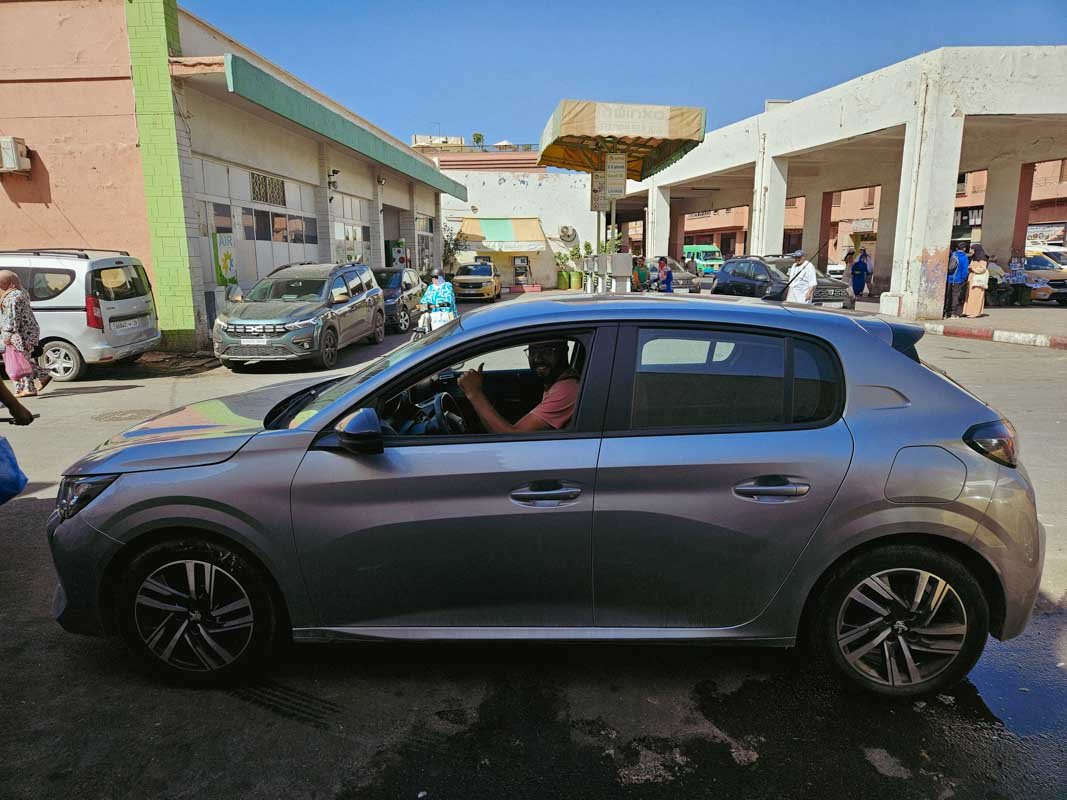
Dropping off the car in Marrakesh — the end of the rental is when disputes are most likely to arise, so your pickup photos matter
Local operators — and Morocco has many — can offer genuinely excellent value. I rented a Peugeot 208 for 20 euros a day on my coastal trip and it was a bargain for what it delivered. Local companies also often have more flexibility on pickup arrangements and some will deliver the car to your accommodation.
The risk with locals is consistency. Quality varies significantly and some operators have built a business model around damage disputes at return. The rating on the comparative website is your filter — 8.5 stars and above is the threshold I use, same as I use 4 stars and above on Airbnb. Below that, the risk increases meaningfully.
One thing I have not seen as prominently in Europe: some Moroccan local operators speak limited English, but luckily the translator on the mobile helps to solve any issue.
My Top 3 Suppliers in Morocco
Supplier quality in Morocco changes more frequently than in Europe — new companies open, existing ones change ownership, and ratings shift. For that reason I always recommend verifying current ratings on the comparative website before booking rather than relying solely on names.
That said, from my own experience and from consistent review patterns, here is my general guidance:
For Marrakech and Casablanca: The best-rated operators are RightCars, Cargini and Alamo. They all provide great service and at a great price too.
For Agadir: Enterprise, Prestige Rent and Thrifty are all great choices in different price and car quality ranges.
My 2 cents: always cross-check your preferred supplier on DiscoverCars before confirming. The market moves and a company that was excellent six months ago may have changed.
Car Rental Insurance in Morocco
This is the section I wish someone had given me clearly before my first Morocco trip. The insurance situation here has a few specifics worth understanding.
Most rental cars in Morocco come with basic Third Party Liability and a Collision Damage Waiver with an excess — typically around 1,000 US dollars or euros. That excess is your financial exposure for any damage to the rental car.
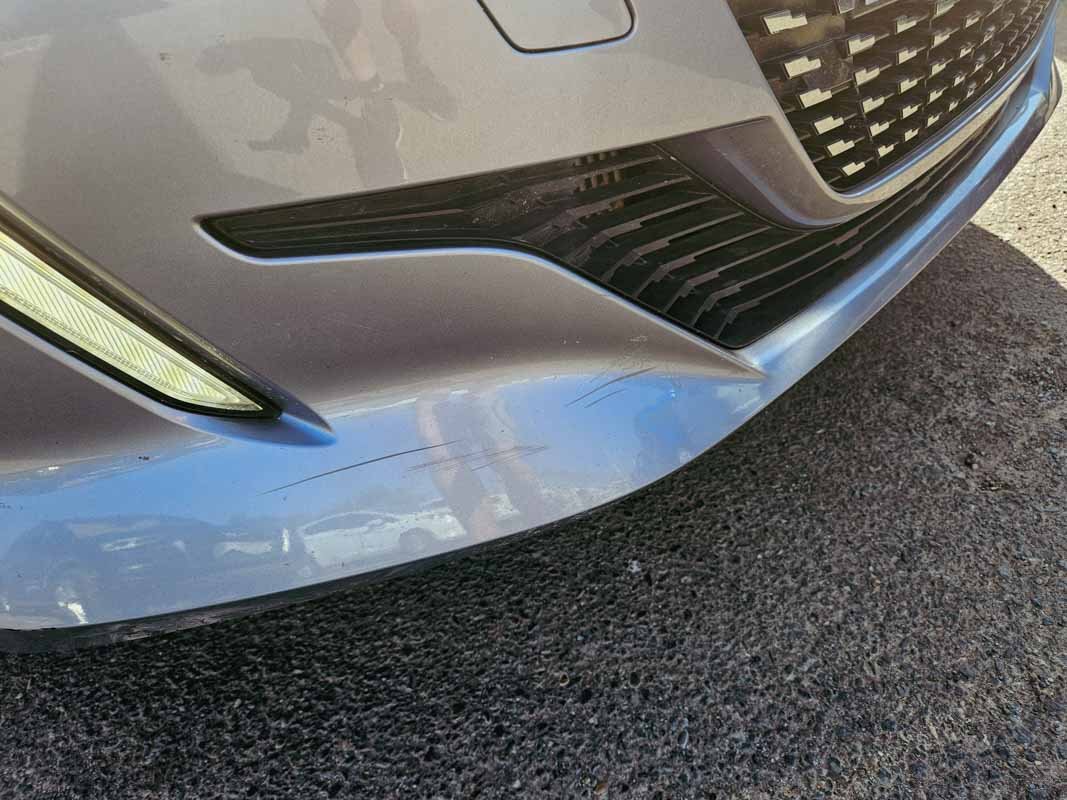
Inspect everything at pickup and photograph every angle — this is your most important protection in Morocco
You have three options for eliminating that exposure:
Credit card insurance. Some cards include car rental coverage. Check whether yours covers Morocco specifically — not all policies extend to North Africa — and check the excess carefully. My own card has a 700 euro deductible, which makes it essentially useless for the small damage most likely to happen.
At the counter. Typically 20 to 30 US dollars per day in Morocco. The paperwork is long, often presented under time pressure, and the terms are not always clear. I do not recommend this route.
During booking on the comparative website. Between 8 and 10 euros per day. Zero excess, roadside assistance included, full transparency before you arrive. This is what I always do and it delivers real peace of mind on roads that can be genuinely unpredictable.
One thing specific to Morocco: regardless of which insurance option you choose, always photograph the car thoroughly at pickup. Every panel, the roof, the undercarriage, the interior.
In Morocco, in particular, some operators do not even mark pre-existing damage on the contract — they rely entirely on the assumption that you did not photograph everything. Five minutes of photos at pickup removes that leverage entirely.
Driving in Morocco — Practical Tips
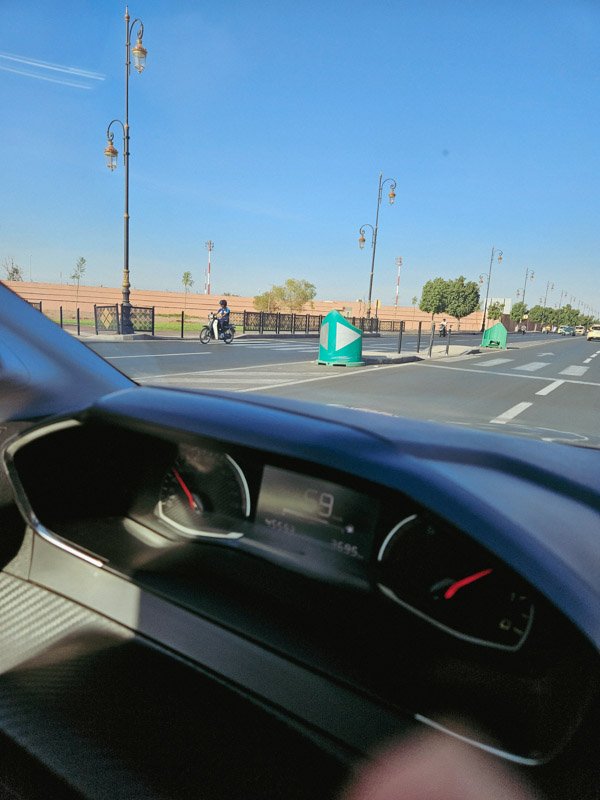
Speed limit signs in Morocco are taken seriously by police — cameras and checkpoints are common on major routes
Driving side. Morocco drives on the right, the same as most of continental Europe. If you are arriving from the UK or Australia, take the first day slowly.
Speed limits. 50 km/h in urban areas, 80 km/h on secondary roads, 120 km/h on motorways. According to the Moroccan National Tourist Office, speed is enforced actively, both with cameras and with frequent police checkpoints. If you are stopped for speeding, fines are paid on the spot in cash. Keep some cash accessible for exactly this reason.
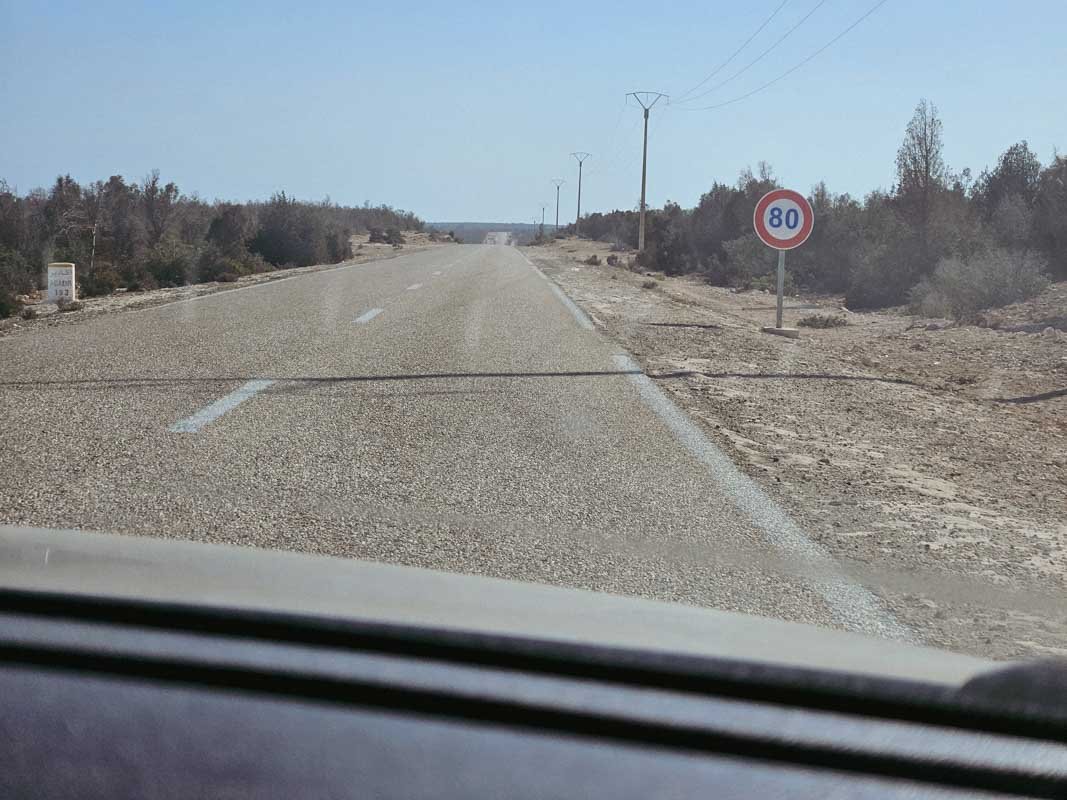
Secondary roads carry an 80 km/h limit — and police enforce it, particularly on the routes connecting major cities
Police checkpoints. These are frequent across Morocco, particularly on roads connecting major cities and near borders. They are not something to be nervous about. I was stopped a couple of times and each time it was a brief document check — two minutes and we were on our way. Carry your driving licence, IDP if required, passport or ID, and rental contract at all times.
Driving in cities. Marrakech in particular is genuinely chaotic — scooters come from every direction, pedestrians cross anywhere, and the traffic in and around the medina is dense. My consistent advice: park at the edge of any major Moroccan city, walk into the old town, and leave the car out of the equation for that part of the trip.
Marrakesh city traffic is dense and unpredictable — park on the edge of the medina and explore on foot
The open road. Once you leave the cities, Morocco is a genuinely easy and beautiful country to drive. The highways are modern and well-maintained. The secondary roads are less wide but manageable. The scenery — particularly along the Atlantic coast and through the Atlas Mountains — is extraordinary.
Animals on the road. On secondary roads and in rural areas, expect goats, sheep, and wild dogs. Not unusual, not an emergency — just slow down and give them space. In small villages, children sometimes play in the streets. The same applies.
Driving at night. Avoid it where possible. Some vehicles on rural roads drive without lights. Wild animals are harder to spot. Locals on bikes and on foot are harder to see. If you are between destinations after dark, find somewhere to stop and continue in the morning.
Honking. Do not take it personally. In Morocco, the horn is a communication tool — used when overtaking, when approaching blind bends, when alerting pedestrians. It is not aggression. It is just how the road communicates.
Roundabouts. Many roundabouts in Morocco have traffic light systems. Pay attention — they operate differently from the standard give-way-to-the-right rule common in Europe.
Fuel. Petrol stations are well distributed on main roads. On the Atlantic coast highway, they appear every 5 to 10 kilometres. Fill up before heading into the mountains or remote areas. Stations in Morocco are serviced — someone will fill your tank for you at no extra charge. Fuel costs are significantly lower than in Europe, roughly equivalent to the US or Australia at the time of writing.
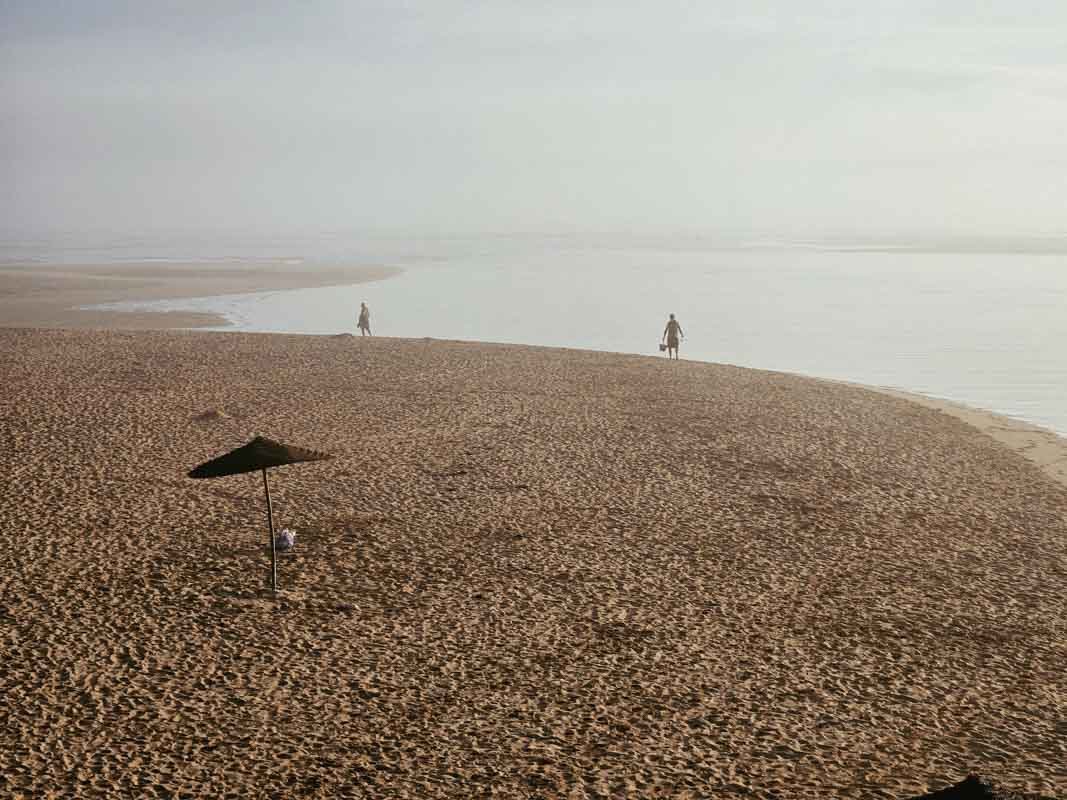
The Atlantic coast south of Casablanca — Oualidia is one of the great surprises of a Moroccan coastal road trip
Tolls. Morocco has two toll motorway routes — the main one running from Tangier south through Casablanca and Marrakech. Tolls are payable by cash at booths. Keep dirhams available.
Driving Licence. Any driving licence with a photo that is written in the Latin alphabet is accepted in Morocco for stays up to one year. If your licence is in Arabic, Chinese, Cyrillic or any non-Latin script, you need an International Driving Permit alongside it. Per US State Department Morocco travel guidance, foreign licences are valid for the duration of your stay up to 12 months from entry.
The 3 Biggest Scams When Renting a Car in Morocco
Based on my experience and based on what I learned from dealing with car hire scams in Spain previously, I arrived in Morocco well prepared for the tactics most likely to be used.
Documentation at pickup is your single most effective protection against all three of the scams below
Scam 1 — The pre-existing damage claim. This is the most common and most expensive. The car is delivered with existing scratches and dents — some noted on the contract, some not — and at return the operator claims damage you did not cause. The defence is simple and must be done without exception: photograph everything at pickup. Every panel, the roof, the undercarriage, the interior. In my Morocco rental, the company did not even mark the existing damage on the contract — they simply relied on the assumption that I had not photographed it properly. I had. End of discussion.
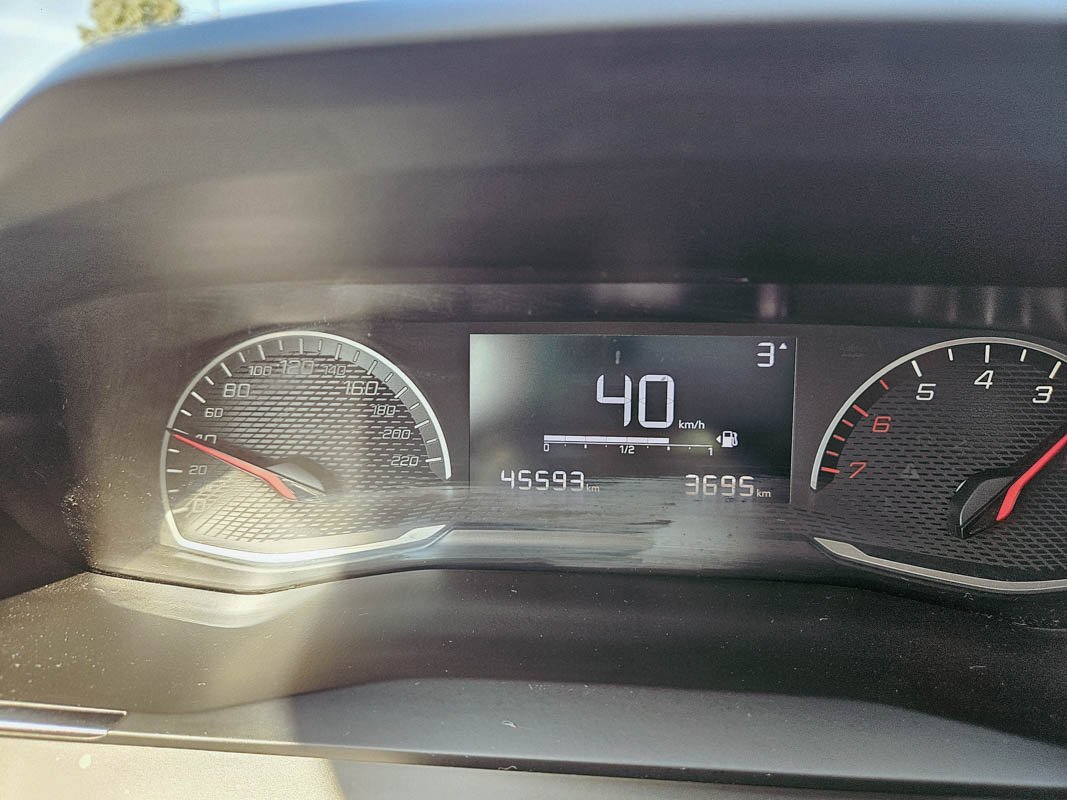
Scam 2 — The fuel level trap. When you pick up the car and it is not completely full, returning it to the exact same level is genuinely difficult. Some operators use this deliberately — hand over the car at three-quarters full, then dispute the return level. The fix: always photograph the fuel gauge at pickup alongside the odometer. If the car is not full, note it explicitly on the contract before you sign.
Scam 3 — Counter insurance pressure. Some operators — particularly lower-rated local companies — will tell you at the desk that your pre-booked insurance is not valid with them and you must buy their own policy on the spot. This is a pressure tactic. If you booked full coverage on a third-party website like DiscoverCars, that insurance is valid.
Do You Actually Need a Car in Morocco?
The honest answer is: it depends entirely on what kind of trip you are planning.
You can reach almost any major city in Morocco by public transport — the train network connecting Casablanca, Rabat, Fez, and Marrakech is good, and buses connect most towns. If your trip is a city-focused itinerary — Marrakech, Fez, Chefchaouen — you genuinely do not need a car.
Essaouira is reachable by bus from Marrakech — but having a car means you can stop along the coast whenever the view demands it
But the moment you want to explore beyond the city-to-city routes — the Atlantic coast between Casablanca and Agadir, the mountain roads of the Atlas, the remote valleys, the beaches that do not appear on any tour itinerary — a car changes everything.
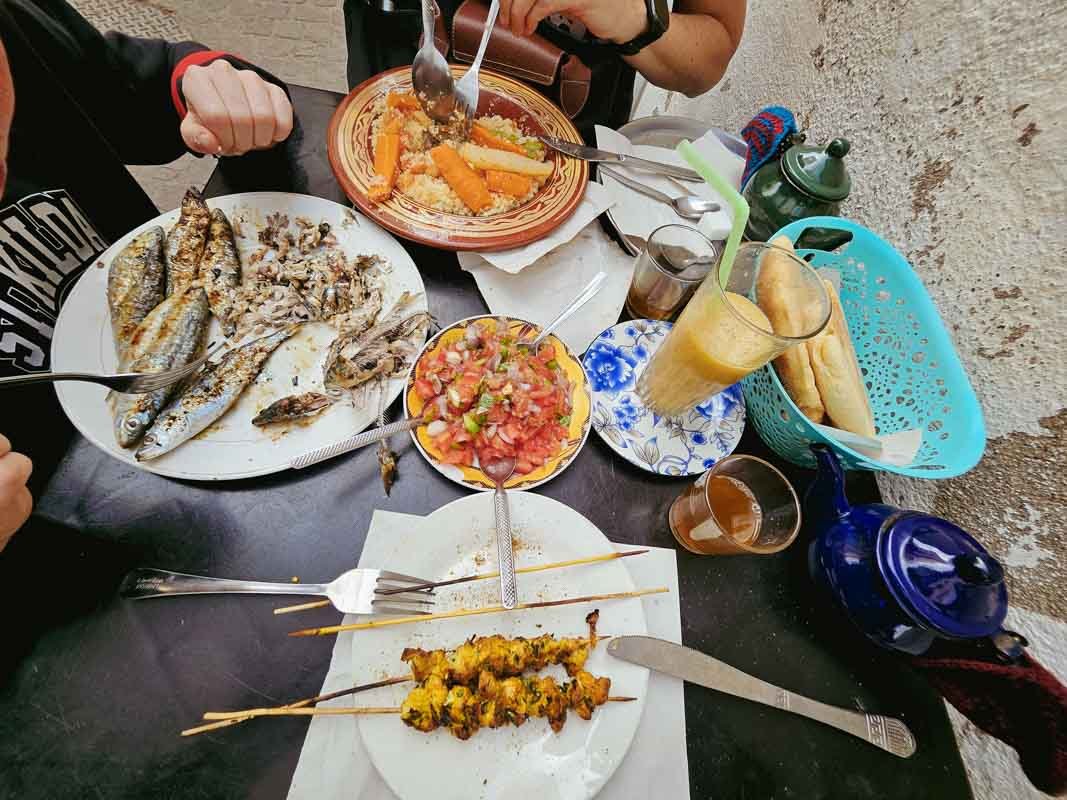
I drove the coastal route from El Jadida south to Agadir and the freedom to stop wherever I wanted — at the lagoon in Oualidia, at the fishing harbour in Safi, at the beach at Imsouane — is simply not something you get on a bus. The journey between destinations becomes part of the trip rather than dead time.
Oualidia’s oysters and fresh seafood — the kind of stop only possible when you are not on a fixed bus schedule
Price-wise, if you are travelling as two or more people, a rental car is almost always cheaper than the combined bus or taxi fares once you factor in flexibility and the stops you would otherwise miss.
The one scenario where I would skip the car entirely: Marrakech itself. Park it outside the medina and walk. The old city is a maze of pedestrian lanes and the car adds stress without adding access.
For a full itinerary of Morocco’s coast by car, you can check this detailed 10-day Morocco coastal road trip guide.
Conclusion
Morocco by car is one of the most rewarding travel experiences available. The country is beautiful, the distances are manageable, and the freedom to stop wherever the road takes you is genuinely transformative compared to any tour-based alternative.
Prepare well — book in advance, sort your insurance before you arrive, photograph everything at pickup, and stay above 8 stars on the comparative website when choosing a supplier. Do those four things and Morocco rewards you with an experience that is very hard to find anywhere else in the world.
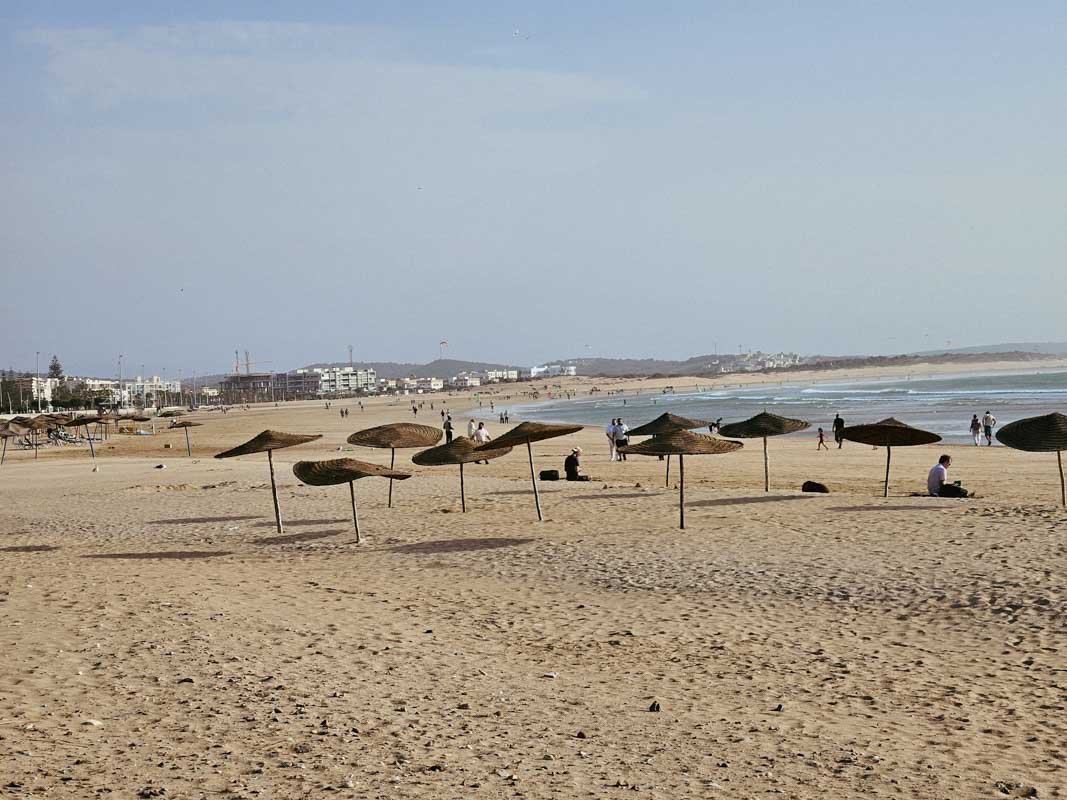
Essaouira — one of the great rewards of the Atlantic coastal road trip, best arrived at on your own schedule
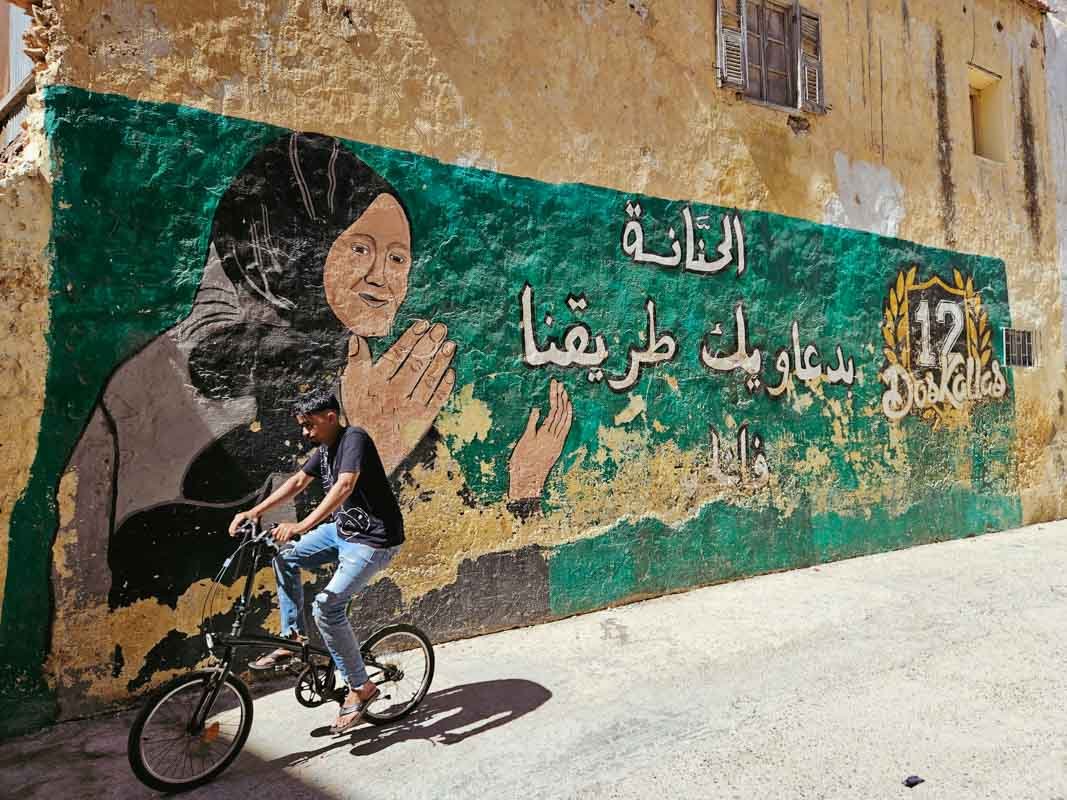
El Jadida — a UNESCO-listed Portuguese fortified city that most tour buses pass straight through
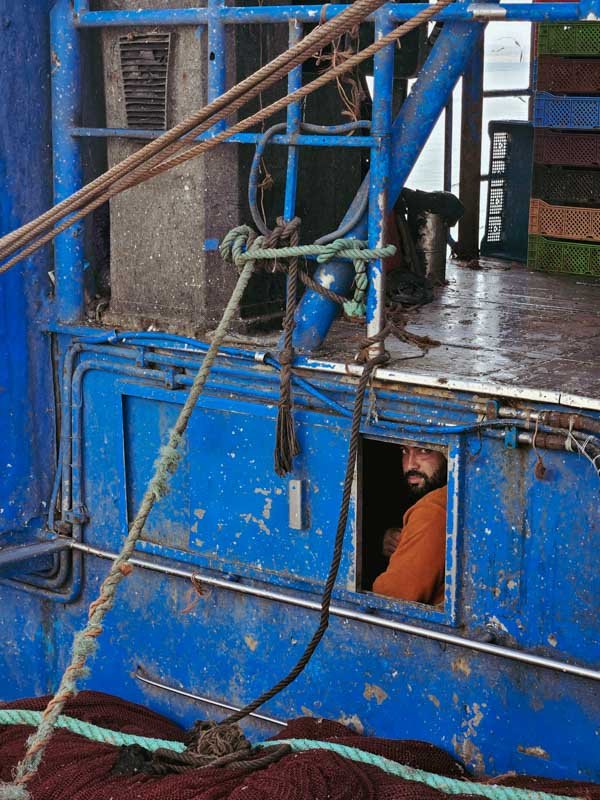
Morocco by car — the kind of trip you plan once and want to repeat immediately
